
 EN
EN
Understanding the Critical Role of a Hydraulic Tank Baffle
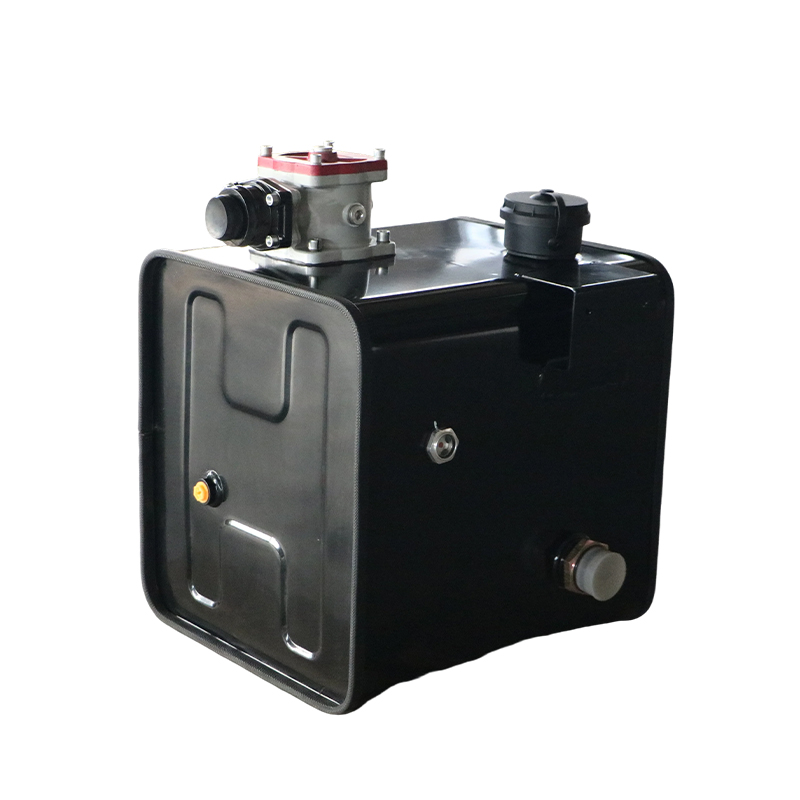
In the complex world of hydraulic engineering, every single component serves a distinct purpose, even those hidden from sight within the machinery. When operators examine a hydraulic tank, they often see a simple storage vessel for fluid. However, high-performance industrial systems rely on specialized internal features to function correctly and efficiently over long periods. A hydraulic tank baffle is one such silent hero. It acts as an internal partition meticulously designed to direct fluid flow, manage thermal energy, and enhance overall filtration efficiency. Without this component, the hydraulic tank would struggle to maintain the cleanliness and thermal stability required for heavy-duty industrial or mobile applications. As systems become more powerful, the role of these internal structures becomes increasingly important to the longevity of the entire circuit.
How Baffles Improve Fluid Dynamics and Stability
The primary function of a hydraulic tank baffle is to control the path of returning hydraulic oil. Without a baffle, oil returning from various actuators could short-circuit directly to the pump inlet, carrying excess heat and contaminants with it. By strategically placing a hydraulic tank baffle, engineers force the fluid to travel a longer path around the interior perimeter of the hydraulic tank. This forced circulation provides sufficient residence time, allowing air bubbles to rise to the surface and escape through system breathers, while enabling microscopic particulate contaminants to settle at the base of the tank. This controlled flow is essential for ensuring that the oil entering the pump is clean, cool, and free of entrained air. By minimizing turbulence and vortexing, the baffle prevents damaging effects like pump cavitation, which is a frequent cause of premature component failure in poorly designed systems.
The Technical Advantages of Optimized Tank Design
Engineers with extensive field experience know that fluid temperature management is just as important as contamination control in a pressurized system. A well-designed hydraulic tank baffle effectively transforms the reservoir into a high-performance heat exchanger. By encouraging a smooth, turbulent-free circulation against the large surface area of the hydraulic tank walls, heat is more efficiently dissipated into the surrounding environment. This thermal management is crucial for maintaining proper oil viscosity and preventing the rapid degradation of internal hydraulic seals and precision components. Furthermore, preventing the vortexing of fluid at the suction port is a major technical advantage. When a hydraulic tank baffle is correctly sized and positioned, it stabilizes the fluid level around the suction intake, ensuring a consistent and steady supply of oil even during rapid system movements or changes in acceleration, which is vital for the operational reliability of mobile equipment in harsh conditions.
Maximizing Commercial Value Through System Longevity
For businesses, the choice of a high-quality hydraulic tank is a strategic investment in long-term operational success and profitability. Investing in a system that utilizes a properly engineered hydraulic tank baffle directly translates to reduced maintenance costs and fewer instances of unplanned machine downtime. Contamination and air entrapment are widely recognized as the two leading causes of hydraulic pump failures. By utilizing robust internal tank structures, operators can significantly extend the service life of expensive pumps, directional valves, and actuators. A durable hydraulic tank assembly ensures that the fluid environment remains stable and predictable, protecting the entire system from early fatigue and mechanical failure. This reliability ultimately maximizes the return on investment for end-users who depend on consistent equipment performance to maintain their production schedules and meet client demands.
Manufacturing Excellence and Supply Chain Reliability
When sourcing essential hydraulic components, the quality of fabrication is paramount to ensure performance. Huachun understands that a hydraulic tank must withstand high vibration, frequent temperature fluctuations, and demanding environmental conditions consistently. Huachun utilizes advanced manufacturing processes to ensure that every hydraulic tank baffle is securely integrated into the tank structure with precise welding and structural reinforcement. With sophisticated production equipment and rigorous quality control testing protocols, Huachun provides solutions that meet global standards for structural strength and functional precision. Whether the application involves heavy-duty dump trucks, specialized mining machinery, or complex industrial power units, the capability to deliver high-quality, reliable hydraulic solutions allows Huachun to support global clients with both standard products and tailored supply chain services, ensuring stable performance in even the most challenging field conditions worldwide.
Conclusion: Ensuring Performance through Strategic Design
The significance of a hydraulic tank baffle in maintaining the overall health and efficiency of a hydraulic system cannot be overstated. From facilitating efficient heat dissipation to preventing dangerous cavitation and ensuring clean, bubble-free fluid for the pump, this simple internal component is vital for long-term system reliability. As global manufacturing technology advances, the demand for precision and efficiency in every hydraulic tank continues to grow. By prioritizing high-quality components that incorporate sophisticated internal flow control, companies can ensure their equipment operates at peak efficiency throughout its lifecycle. Huachun remains committed to driving excellence in hydraulic technology, providing the robust and high-quality reservoirs that power the machinery of today and tomorrow. Choosing the right internal configuration is not just a design preference; it is a critical step toward operational excellence.
Table of Contents
- Understanding the Critical Role of a Hydraulic Tank Baffle
- How Baffles Improve Fluid Dynamics and Stability
- The Technical Advantages of Optimized Tank Design
- Maximizing Commercial Value Through System Longevity
- Manufacturing Excellence and Supply Chain Reliability
- Conclusion: Ensuring Performance through Strategic Design