
 EN
EN
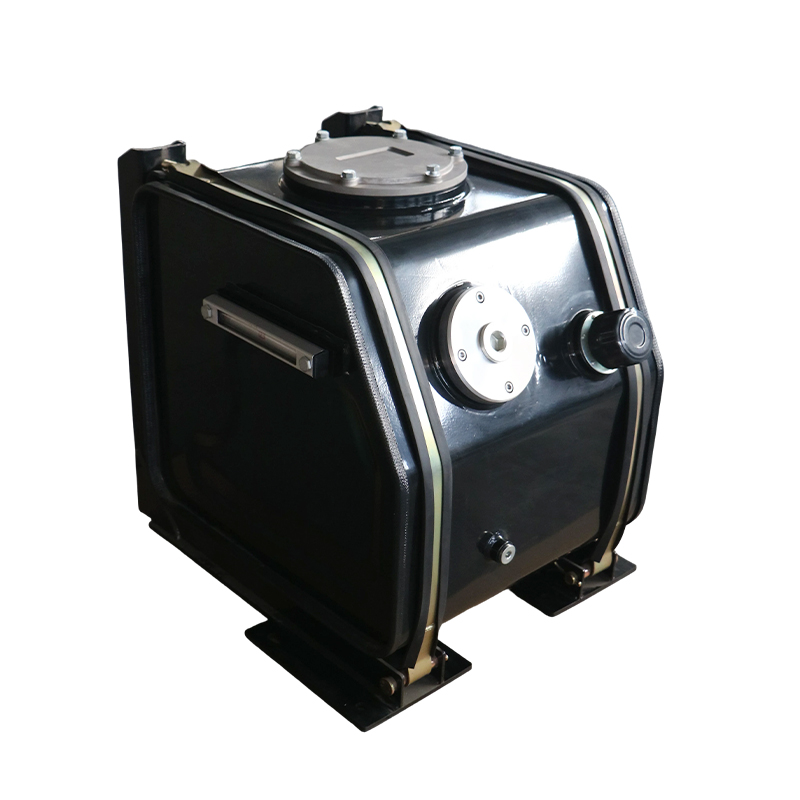
Ensuring Structural Integrity for Your Hydraulic Oil Tank
Proper installation of a hydraulic oil tank is the absolute cornerstone of any efficient and high-performance fluid power system. Many facility managers and system designers often overlook the technical requirements, focusing exclusively on the hydraulic pump and actuators. However, the hydraulic oil tank acts as the vital heart of the entire system, responsible for fluid storage, cooling, and air separation. When installing a hydraulic oil tank, meticulous attention must be paid to the mounting surface. It must be perfectly level, structurally rigid, and capable of supporting the full weight of the tank including the fluid mass under dynamic operating conditions. Vibration management is equally critical; if a hydraulic oil tank is not properly secured, harmonic resonance can lead to premature weld cracking and catastrophic system leaks. Huachun has observed that consistent, level mounting significantly reduces the cumulative stress on fittings and suction lines, extending the operational lifespan of the entire hydraulic circuit. Every hydraulic oil tank must be inspected before operation to ensure that bolt patterns match the frame and that weight distribution is uniform.
Optimizing Fluid Dynamics and Thermal Performance
Beyond simple fluid storage, the configuration of the internal baffle plates within a hydraulic oil tank plays a pivotal role in heat dissipation and contaminant settling. During the installation process, ensure the return line and suction line are positioned with sufficient distance to prevent turbulence and cavitation. In professional practice, a well-engineered hydraulic oil tank utilizes internal baffles to force oil to circulate, allowing heat to transfer efficiently to the tank walls. If the installation fails to account for proper oil return velocity, air bubbles will remain suspended in the fluid, potentially causing severe pump damage. Experienced technicians recommend ensuring the reservoir capacity of the hydraulic oil tank matches the system flow rate precisely. Huachun applies strict engineering standards to every unit produced, ensuring that the internal architecture of each hydraulic oil tank optimizes thermal management and promotes efficient debris separation, maintaining fluid cleanliness levels significantly longer than standard off-the-shelf alternatives. A high-performing hydraulic oil tank is more than just a steel box; it is a critical component that facilitates stable hydraulic operations.
Implementing Strict Filtration and Ventilation Standards
Contamination remains the primary cause of hydraulic component failure. The installation phase provides the best opportunity to seal the system against external ingress. A high-quality air breather must be installed on the top of the hydraulic oil tank to manage atmospheric pressure changes during fluid expansion and contraction cycles. Many field cases show that poorly installed breathers allow moisture and dust to enter the system, leading to rapid oil degradation. When configuring the filler neck and breather assembly on a hydraulic oil tank, technicians should always verify that the seal is airtight. Furthermore, the placement of return line filters is essential. A properly installed hydraulic oil tank should provide easy access for routine filter maintenance, encouraging regular service intervals. By prioritizing accessibility and filtration integrity during the initial setup of a hydraulic oil tank, operators can prevent the introduction of harmful particles into the sensitive downstream valves and actuators. Protecting your hydraulic oil tank from airborne contamination is essential for maintaining a high uptime percentage.
Addressing Environmental and Safety Regulations
Safety must be a top priority when finalizing the installation of a hydraulic oil tank in an industrial facility. This includes providing adequate clearance for maintenance staff to perform oil level checks and fluid sampling safely. Leak containment is another critical aspect; if a hydraulic oil tank is located in an area where fluid discharge could impact the environment, a secondary containment tray is mandatory. Modern standards often require spill containment systems that can hold the entire volume of the hydraulic oil tank in the event of a catastrophic tank rupture. By integrating these safety features early in the project design, facility managers avoid costly regulatory penalties and environmental hazards. Huachun emphasizes these comprehensive safety protocols in all technical documentation, helping customers design and install their hydraulic oil tank setups to exceed industry safety requirements while maintaining high productivity levels. Always ensure the hydraulic oil tank is equipped with clear sight glasses or level sensors for monitoring.
Leveraging Expert Manufacturing for System Success
The long-term performance of a hydraulic system is inextricably linked to the quality of its components. Selecting a reliable manufacturer ensures that the material thickness, weld quality, and internal design of the hydraulic oil tank meet the rigorous demands of industrial operations. When choosing a source, look for vendors who provide technical support, material certification, and customization capabilities. Huachun provides advanced manufacturing solutions for high-performance fluid storage, specializing in robust welding processes and precise finishing that guarantee the structural integrity of every hydraulic oil tank produced. By partnering with experts who understand the nuances of fluid power engineering, projects can benefit from improved system reliability and significantly reduced downtime. Whether for heavy machinery, complex agricultural equipment, or stationary industrial platforms, investing in a high-quality hydraulic oil tank is a strategic decision that pays dividends in operational efficiency and lower total cost of ownership. A well-sourced hydraulic oil tank is the foundation of excellence for any hydraulic project requiring durability, precision, and efficiency. Every hydraulic oil tank from Huachun is designed to support the peak performance of your entire hydraulic machine.
Final Testing and Quality Verification Protocols
Before putting the system into full operation, conducting a rigorous final test on the installed hydraulic oil tank is non-negotiable. This phase involves checking all connections for leaks, verifying that the hydraulic oil tank level sensors are calibrated accurately, and ensuring that the tank is fully grounded to prevent static discharge. If the hydraulic oil tank exhibits any signs of instability or vibration under full pressure, stop the operation immediately to re-examine the mounts. Performing a thorough pre-start audit on your hydraulic oil tank ensures that the investment in your machinery is protected from day one. Huachun remains committed to providing the highest quality components, supporting customers throughout the entire installation cycle of every hydraulic oil tank we supply.
Table of Contents
- Ensuring Structural Integrity for Your Hydraulic Oil Tank
- Optimizing Fluid Dynamics and Thermal Performance
- Implementing Strict Filtration and Ventilation Standards
- Addressing Environmental and Safety Regulations
- Leveraging Expert Manufacturing for System Success
- Final Testing and Quality Verification Protocols