
 EN
EN
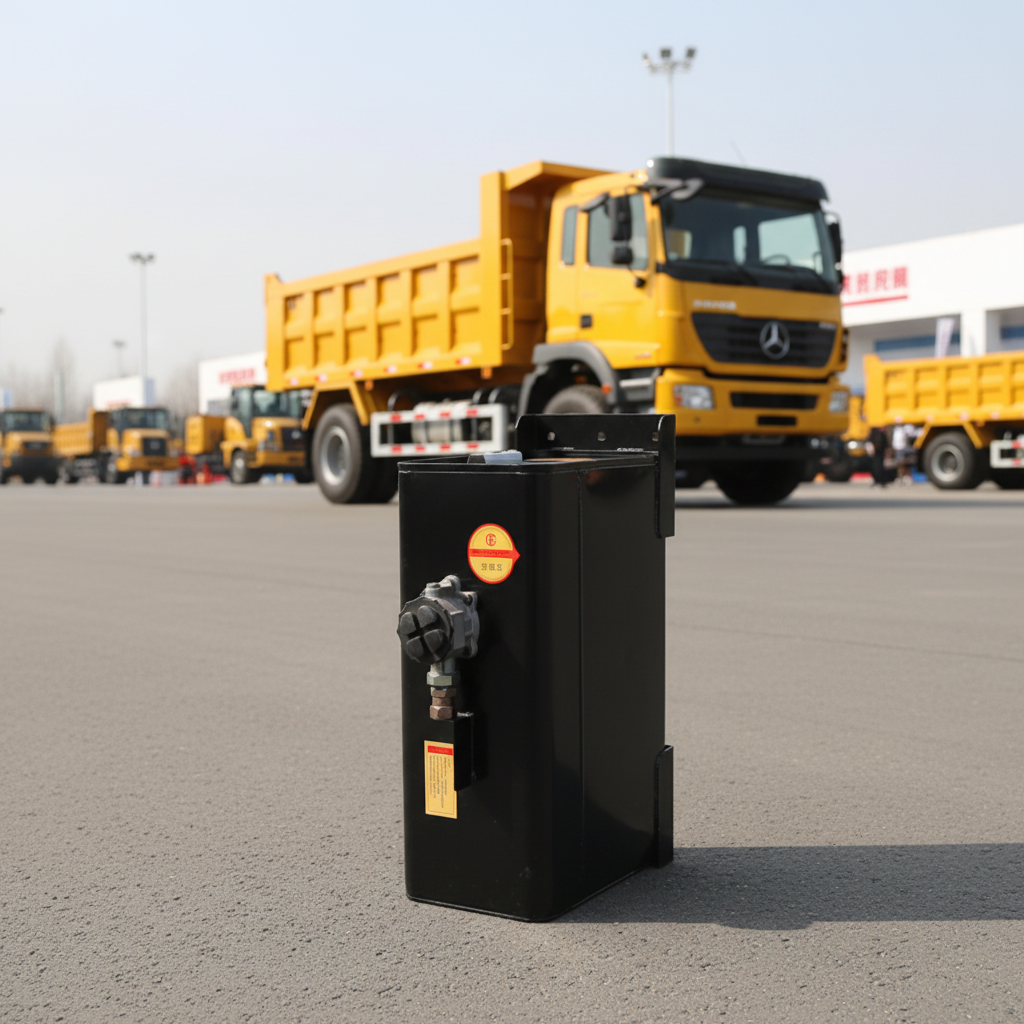
The Vital Importance of a Clean Storage Oil Tank for Hydraulic Reliability
Hydraulic systems are the muscle behind modern industrial and mobile machinery, yet these sophisticated systems are surprisingly fragile when it comes to fluid purity. Often, the focus of maintenance teams is entirely on the main machine reservoir, while the source of the oil remains neglected. A clean storage oil tank serves as the critical first line of defense in protecting sensitive hydraulic circuits. If the oil is contaminated before it even enters the machine, the battle for reliability is lost before it begins. Maintaining a proper storage oil tank is not merely a housekeeping task; it is a fundamental engineering requirement for ensuring that hydraulic fluid remains within the required cleanliness specifications to prevent abrasive wear on pumps, motors, and precision control valves.
Understanding How Contamination Originates in Storage
Contamination is the silent killer of hydraulic components. In many industrial environments, a subpar storage oil tank acts as a breeding ground for harmful pollutants. Airborne dust, moisture condensation, and metallic particles can easily infiltrate the oil supply if the containment vessel lacks proper seals or adequate breather filtration. When hydraulic fluid is stored in a compromised storage oil tank, these contaminants settle into the oil, and over time, they increase the overall fluid acidity and degrade essential additives. As operators transfer this oil into the main system, they inadvertently introduce high levels of particulate matter. This triggers a chain reaction of wear, where fine particles act as grinding media, scoring the internal surfaces of high-pressure pumps and causing sticky conditions in spool valves, leading to erratic system performance and eventual catastrophic failure.
Engineering Standards for an Effective Oil Storage Environment
To achieve long-term success, a storage oil tank must be designed with the same rigor as an active machine reservoir. Expert engineers understand that the design must include hermetic seals to prevent moisture ingress, which is particularly vital in humid working environments where water can cause rusting and oil oxidation. Furthermore, the installation of high-efficiency desiccant breathers on a storage oil tank is essential. These breathers work by removing water vapor and airborne particulates from the air that replaces the oil as it is drawn out of the tank. The choice of materials for the storage oil tank is equally important, as interior coatings must be chemically inert to avoid reactions with modern synthetic or mineral-based hydraulic oils. By implementing these technical standards, facilities can ensure that the fluid remains pristine, providing a stable foundation for the entire hydraulic system's health.
Maximizing Commercial Value Through Proactive Fluid Management
Investing in a high-quality storage oil tank yields significant commercial advantages. Businesses that prioritize the cleanliness of their oil storage experience a notable reduction in maintenance expenditures and unplanned downtime. When oil is kept clean from the point of storage, the frequency of filter changes on the main machinery is reduced, and the service life of critical components like hydraulic cylinders and motors is extended by thousands of hours. Preventing failure is far more cost-effective than managing a repair, especially when considering the labor, replacement parts, and lost productivity associated with hydraulic system malfunctions. A well-maintained storage oil tank is therefore a strategic asset that protects the bottom line and ensures that machinery remains productive and competitive in demanding markets.
Manufacturing Expertise and Huachun’s Commitment to Quality
When sourcing tanks for fluid management, the manufacturing pedigree of the supplier is a critical factor. Huachun understands that a storage oil tank must be built to withstand heavy usage while maintaining internal integrity. Utilizing advanced fabrication techniques and rigorous cleaning processes, Huachun ensures that every storage oil tank produced meets stringent quality standards. With a focus on structural robustness, airtight seals, and ease of maintenance, Huachun provides industrial-grade solutions that cater to various volume requirements and operational conditions. Beyond individual product quality, Huachun leverages deep expertise in hydraulic systems and supply chain management to offer tailored services that help global clients optimize their fluid storage strategies. By partnering with a manufacturer that values precision, operators can be confident in the structural reliability of their equipment.
Conclusion: Securing the Future of Hydraulic Performance
The health of a hydraulic system is inextricably linked to the quality of the oil it receives. As highlighted, a clean storage oil tank is not an optional accessory but a necessity for any operation that demands peak reliability and efficiency. By controlling the environment in which oil is kept, companies can prevent the ingress of contaminants, maintain chemical stability, and drastically lower the risk of premature component wear. As machinery continues to evolve and power densities increase, the role of reliable, well-engineered storage solutions becomes even more essential. Huachun remains a dedicated partner for those who strive for excellence in hydraulic engineering, providing the high-quality reservoirs and storage solutions that keep global industry moving forward with confidence and maximum performance.
Table of Contents
- The Vital Importance of a Clean Storage Oil Tank for Hydraulic Reliability
- Understanding How Contamination Originates in Storage
- Engineering Standards for an Effective Oil Storage Environment
- Maximizing Commercial Value Through Proactive Fluid Management
- Manufacturing Expertise and Huachun’s Commitment to Quality
- Conclusion: Securing the Future of Hydraulic Performance