
 EN
EN



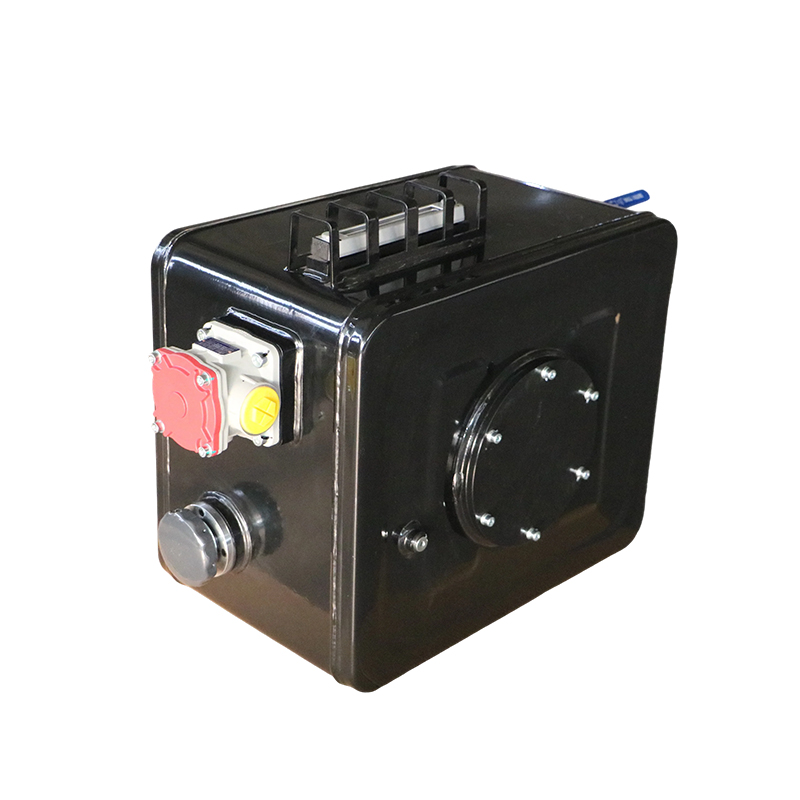
Navigating the Selection of Onboard Fluid Storage Solutions
In the fast-paced world of heavy commercial transport, construction logistics, and vocational fleet operations, the reliability of onboard hydraulic systems dictates daily efficiency. Fleet managers and vehicle builders constantly face the intricate challenge of matching specific chassis layouts with components that can withstand extreme pressure cycles and harsh environmental exposure. At the center of every robust hydraulic circuit is a vital vessel responsible for storing, cooling, and protecting the working fluid. Identifying the most appropriate hydraulic tank for a specific vehicle requires a deep understanding of mechanical engineering principles, material science, and operational demands. Choosing a substandard or incorrectly sized fluid container can lead to premature pump cavitation, fluid overheating, and expensive system failures that disrupt busy work schedules. Mastering the evaluation process ensures that every commercial truck operates at peak performance, maintaining seamless hydraulic power delivery throughout its active working life.
Material Science and Structural Durability Standards
The physical construction and material composition of a hydraulic tank determine its ability to endure constant road vibration, thermal expansion, and aggressive weather conditions. Experienced mechanical engineers and field technicians know that structural integrity starts with the choice of raw materials, typically pitting high-grade steel against lightweight aluminum alloys. A properly constructed hydraulic tank must feature reinforced mounting brackets and precision-welded seams to prevent stress concentrations caused by twisting chassis frames during off-road travel. Furthermore, internal corrosion resistance is paramount, as moisture condensation inside the container can contaminate the fluid and degrade sensitive pumps and valves downstream. Evaluating the anti-corrosive coatings and internal baffling configurations helps fleet owners select a container that resists fatigue cracking and structural deformation over thousands of grueling operating hours, ultimately safeguarding the entire hydraulic investment.
Capacity Planning and Chassis Spatial Optimization
Calculating the correct fluid volume is a crucial technical step when specifying a hydraulic tank for diverse vocational vehicles, from dump trucks to mobile cranes. If the container is too small, the fluid will overheat quickly and fail to release trapped air, whereas an oversized unit adds unnecessary dead weight and consumes limited chassis space. Experienced operators analyze the maximum flow rate of the pump and the total volume of extended cylinders to determine the precise working capacity required for the hydraulic tank during continuous heavy-duty cycles. Spatial layout is equally critical; whether opting for a side-mounted model or a rear-mounted configuration, the design must clear exhaust systems, auxiliary power units, and steering components while remaining protected from lateral impacts on crowded job sites. Balancing volumetric efficiency with smart chassis packaging ensures predictable vehicle handling and uninterrupted hydraulic functionality.
Commercial Value and Long-Term Maintenance Reduction
From a business perspective, investing in a high-quality hydraulic tank delivers substantial financial returns by minimizing unexpected downtime and lowering lifecycle maintenance expenses. Equipment failures caused by cracked reservoirs, fluid leaks, or contaminated oil result in severe productivity losses and expensive emergency repairs. When a dependable hydraulic tank is installed correctly, it acts as a passive cooling system and contaminant settler, protecting expensive downstream components like control valves and multi-stage cylinders from premature abrasive wear. This extended hardware longevity translates directly to reduced fluid replacement frequencies, lower spare parts budgets, and maximum operational uptime across the entire commercial fleet. Prioritizing superior fluid storage engineering ultimately strengthens the bottom line for transport companies operating in competitive industrial markets where every working hour counts.
Huachun Manufacturing Excellence and Supply Chain Support
When sourcing durable fluid storage units for demanding commercial applications, the manufacturing expertise and global supply chain reliability of the partner play a decisive role. Huachun understands that every hydraulic tank must conquer severe mechanical stress, constant vibration, and harsh environmental challenges without compromising structural stability. Utilizing advanced robotic welding technology, premium alloy selections, and rigorous pressure-testing protocols, Huachun ensures that every hydraulic tank meets and exceeds international quality benchmarks. Beyond manufacturing standard catalog models, Huachun provides comprehensive custom-engineering services, offering tailored bracket locations, specific port configurations, and specialized internal baffling systems to match unique vehicle specifications. This unwavering dedication to precision, durability, and punctuality empowers global fleet operators to equip their machinery with world-class fluid solutions, guaranteeing exceptional performance and absolute peace of mind across diverse operational landscapes worldwide.
Conclusion: Securing Peak Hydraulic Performance for Tomorrow
The successful operation of modern heavy-duty vehicles relies on the seamless integration of every individual component within the hydraulic circuit. Selecting the optimal hydraulic tank enhances thermal regulation, ensures adequate fluid capacity, and protects downstream hardware from premature wear and sudden failure. As the commercial transport and industrial construction sectors demand higher productivity and lower maintenance overhead, partnering with a trusted manufacturing expert becomes an absolute necessity. Huachun remains steadfast in its dedication to delivering premium reservoirs and fluid management solutions, empowering global industries to achieve new heights of reliability and commercial success. Investing in superior engineering and correct equipment selection today guarantees a more powerful, efficient, and profitable future for every heavy vehicle application across the globe.
Table of Contents
- Navigating the Selection of Onboard Fluid Storage Solutions
- Material Science and Structural Durability Standards
- Capacity Planning and Chassis Spatial Optimization
- Commercial Value and Long-Term Maintenance Reduction
- Huachun Manufacturing Excellence and Supply Chain Support
- Conclusion: Securing Peak Hydraulic Performance for Tomorrow