
 EN
EN
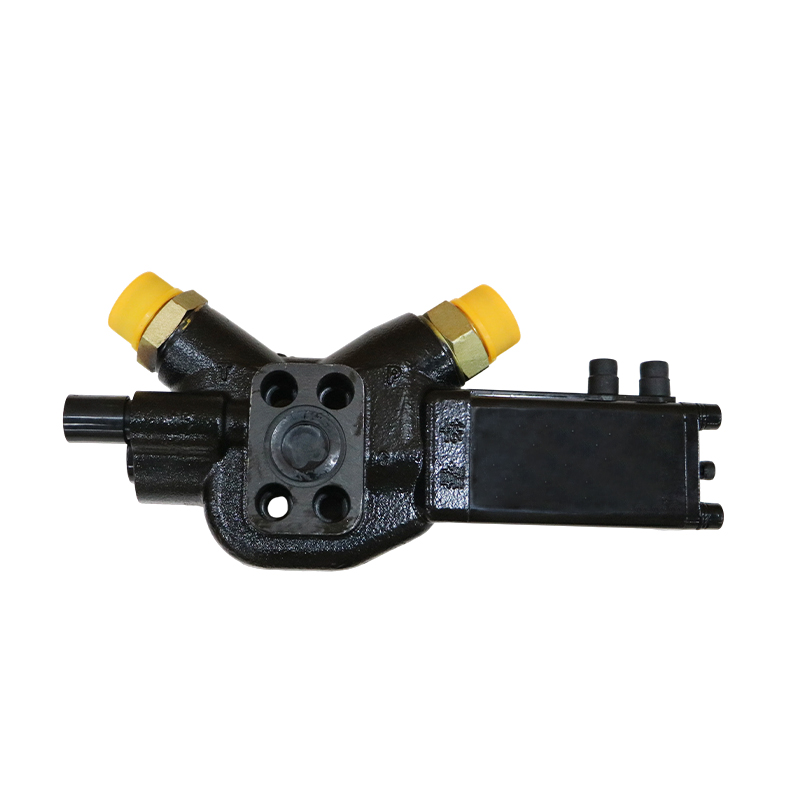
Mastering Fluid Power: Understanding Hydraulic Valve Types and Applications
In the sophisticated landscape of industrial fluid power, the hydraulic valve serves as the silent mastermind of machinery operation. Whether powering heavy construction equipment, automated assembly lines, or agricultural harvesters, the ability to manipulate fluid direction, pressure, and flow is what defines mechanical capability. A reliable hydraulic valve is not just a standard component; it is a high-precision instrument that dictates the accuracy, safety, and efficiency of the entire system. Understanding how these diverse types function is essential for engineers and maintenance professionals who aim to maximize uptime and prevent costly operational failures in demanding environments. By mastering the nuances of fluid control, businesses can ensure their equipment operates at peak performance, translating complex engineering into reliable productivity.
Directing Energy: The Role of Directional Control Valves
Directional control valves act as the traffic signals of hydraulic circuits. By determining the path of pressurized fluid, these units govern whether a cylinder extends or retracts and the direction in which a motor rotates. Field experience frequently highlights that improper directional switching is a primary cause of system sluggishness. High-quality components are engineered with minimal internal leakage and rapid response times, ensuring that even under high-load conditions, the machine transitions smoothly without jarring impacts. By carefully selecting valves based on spool configuration—such as open-center or closed-center designs—engineers can optimize the hydraulic loop to ensure that energy is conserved while the machine performs its designated tasks with pinpoint accuracy. This precision is vital for applications requiring repetitive, controlled movement, such as robotic arms or material handling systems.
Safeguarding Integrity with Pressure Control Valves
Pressure control valves are the essential guardians of structural safety within any hydraulic system. These devices, ranging from pressure relief valves to unloading valves, ensure that the internal pressure never exceeds safe operating limits. When a hydraulic circuit encounters unexpected load surges, the valve reacts instantaneously to bypass fluid back to the reservoir, thereby preventing catastrophic hose bursts or seal failures. From an engineering perspective, the quality of this unit defines the life expectancy of the entire machine. Investing in hardware that features precise spring calibrations and stable seating surfaces ensures that the system maintains consistent performance. This reliability translates directly into commercial value, as it mitigates the risk of downtime and significantly reduces the frequency of emergency maintenance interventions for industrial operators, ultimately protecting the long-term investment in heavy machinery.
Precision Control Through Flow Regulation
To achieve smooth mechanical motion, flow control valves are indispensable. By throttling the volume of fluid reaching an actuator, these components enable fine-tuned control over operating speeds, which is vital for tasks like lifting, gripping, or rotating heavy loads. Advanced flow regulation allows for consistent motion regardless of fluctuations in load weight or fluid temperature, which is a major challenge in outdoor industrial settings. Professionals recognize that the ability to maintain stable flow rates is what differentiates high-performance equipment from standard models. By integrating high-precision flow control valves, businesses can enhance their operational versatility, allowing a single machine to handle diverse tasks with a level of control that manual systems simply cannot replicate. This level of sophistication is the hallmark of modern, efficient automation.
Strategic Selection for Long-Term Reliability
Selecting the right valve involves more than just matching port sizes; it requires a deep understanding of the specific application's environment. Factors such as hydraulic fluid viscosity, ambient temperature range, and the presence of particulate contaminants must be considered to ensure a long service life. Industry experts frequently emphasize that the total cost of ownership is minimized when hardware is sourced from manufacturers who prioritize rigorous testing and material durability. Quality manufacturing involves stringent CNC tolerances and specialized surface treatments to resist oxidation and wear. A professional approach to component selection focuses on creating a robust system where every individual unit contributes to the seamless, efficient, and safe operation of the entire heavy-duty hydraulic network, ensuring that the machine remains a productive asset for years.
The Huachun Advantage in Hydraulic Engineering
Achieving top-tier performance in hydraulic systems requires a partner that excels in both engineering expertise and reliable manufacturing. Huachun offers a comprehensive range of hydraulic solutions designed to meet the most demanding industrial standards. By utilizing decades of research and development experience, Huachun provides not just standardized parts, but the technical insight required to integrate these components into high-efficiency machinery. Whether through specialized material selection or precise manufacturing protocols, Huachun remains committed to delivering durability and consistency. Partnering with Huachun ensures that safety and efficiency remain at the forefront of your operations, providing the supply chain stability and technical support needed to thrive in competitive global markets. Huachun stands as a pillar of reliability for industrial leaders worldwide.
Table of Contents
- Mastering Fluid Power: Understanding Hydraulic Valve Types and Applications
- Directing Energy: The Role of Directional Control Valves
- Safeguarding Integrity with Pressure Control Valves
- Precision Control Through Flow Regulation
- Strategic Selection for Long-Term Reliability
- The Huachun Advantage in Hydraulic Engineering