
 EN
EN
Mastering Heavy-Duty Hydraulic Operation Fundamentals
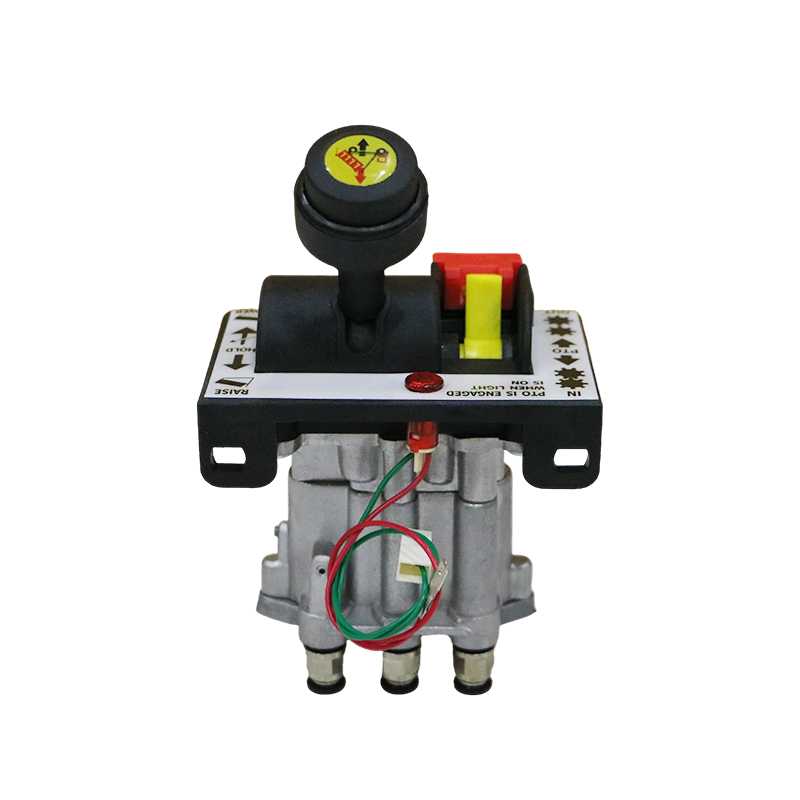
In the demanding world of industrial machinery, construction equipment, and heavy-duty transport vehicles, operational precision is everything. Operators and field technicians continually face the challenge of managing immense hydraulic power without sacrificing fine-tuned control or system safety. At the center of this complex hydraulic architecture lies the heavy-duty control valve, acting as the ultimate command center that directs pressurized fluid to every corner of the mechanism. Understanding how to operate a control valve correctly requires a combination of technical knowledge, hands-on experience, and strict adherence to industrial safety protocols. Whether maneuvering a multi-stage crane on a bustling construction site or managing a high-capacity industrial press, the operator's ability to manipulate the control valve dictates the smoothness, speed, and accuracy of the entire machine. Without proper operational techniques, even the most advanced hydraulic systems can suffer from premature wear, erratic movements, and costly component failures that disrupt business workflows and inflate operational overhead significantly.
Essential Pre-Operational Checks and Safety Protocols
Before engaging any heavy machinery or moving high-pressure fluids through the circuit, rigorous pre-operational checks must be conducted to guarantee absolute system integrity. Experienced equipment operators know that skipping safety inspections often leads to catastrophic failures mid-cycle. The inspection routine should begin with a thorough visual examination of the external housing and fittings connected to the control valve to detect any signs of weeping seals, hairline fractures, or loose mounting bolts caused by constant road and engine vibrations. Furthermore, technicians need to verify that hydraulic oil temperatures and reservoir levels fall within the manufacturer's recommended operating range before shifting into active modes. Ensuring that the pressure relief settings are properly calibrated prevents dangerous over-pressurization during initial startup. By establishing these disciplined pre-operational habits, operators protect both the sensitive internal spools of the control valve and the downstream actuators from unexpected shock loads, laying a solid foundation for safe and efficient daily operations.
Techniques for Smooth and Precise Fluid Manipulation
Executing precise movements during heavy lifting or active material handling relies heavily on how smoothly the operator interacts with the control valve. Sudden lever movements or abrupt shifts in fluid direction create severe pressure spikes, often referred to as water-hammer effects, which can rupture hoses, damage delicate seals, and strain internal pump components. Professional operators utilize gradual, measured inputs when shifting the control valve to allow smooth acceleration and deceleration of heavy loads. This progressive engagement ensures that the fluid volume enters and exits the actuators in a controlled, predictable manner, eliminating jerks and stabilizing the suspended weight immediately. Additionally, maintaining acute awareness of system feedback through tactile resistance on the control levers helps operators detect minor flow restrictions or internal bypassing early. Mastering these nuanced handling techniques not only boosts on-site productivity and safety but also significantly reduces mechanical stress on the entire hydraulic network over thousands of working hours.
Long-Term Maintenance and Commercial Value Optimization
From a strategic business perspective, proper handling and routine maintenance of heavy-duty hydraulic components yield substantial financial returns for fleet owners and plant managers. Unplanned downtime is the single greatest drain on profitability in modern construction, manufacturing, and logistics industries. When a neglected control valve fails due to particulate contamination or thermal fatigue, the resulting system pressure loss halts operations instantly, triggering expensive emergency repairs and lost productivity. Establishing a proactive maintenance schedule that includes regular fluid filtration, seal replacements, and functional testing of the control valve safeguards the initial capital investment. Premium components engineered to international standards endure harsh environmental exposure and continuous cycling much better than subpar alternatives. By prioritizing correct operational habits and partnering with reputable component suppliers, businesses dramatically lower their total cost of ownership, minimize unexpected maintenance budgets, and maximize vehicle or machine uptime across every active project site worldwide.
Huachun Manufacturing Excellence and Supply Chain Solutions
When sourcing high-performance fluid control components for mission-critical industrial applications, the manufacturing expertise and supply chain reliability of the supplier play a decisive role in overall operational success. Huachun understands that every control valve must endure extreme pressure fluctuations, high mechanical stress, and aggressive environmental conditions without losing its sealing integrity or operational precision. Utilizing advanced CNC machining technologies, premium alloy selections, and rigorous pressure-testing protocols, Huachun ensures that every control valve meets and exceeds rigorous global durability standards. Beyond manufacturing individual hardware units, Huachun provides comprehensive supply chain support, offering custom-engineered mounting solutions, tailored port configurations, and expert technical guidance to match diverse mobile and industrial equipment requirements. This unwavering dedication to quality and reliability allows global clients to depend on Huachun for world-class hydraulic solutions that keep heavy machinery operating at peak efficiency under any conditions, ensuring seamless project execution from initial design to final field deployment.
Conclusion: Securing Peak Hydraulic Performance for Tomorrow
The successful execution of heavy industrial tasks relies heavily on a harmonious blend of skilled operation, disciplined maintenance, and superior hardware quality. Properly managing a control valve safeguards the entire hydraulic circuit against vibration damage, fluid leakage, and premature mechanical wear, ensuring consistent power delivery for every lifting and pressing cycle. As the commercial transport and industrial manufacturing sectors continue to demand higher efficiency and lower maintenance overhead, adhering to professional operational standards becomes an absolute necessity. Huachun remains steadfast in its mission to deliver top-tier hydraulic reservoirs, valves, and power unit components, empowering global industries to achieve new heights of productivity and operational success. Choosing superior engineering and correct operational practices today guarantees a more powerful, reliable, and profitable tomorrow for every hydraulic application worldwide, solidifying a strong foundation for sustained industrial growth across international markets.
Table of Contents
- Mastering Heavy-Duty Hydraulic Operation Fundamentals
- Essential Pre-Operational Checks and Safety Protocols
- Techniques for Smooth and Precise Fluid Manipulation
- Long-Term Maintenance and Commercial Value Optimization
- Huachun Manufacturing Excellence and Supply Chain Solutions
- Conclusion: Securing Peak Hydraulic Performance for Tomorrow